

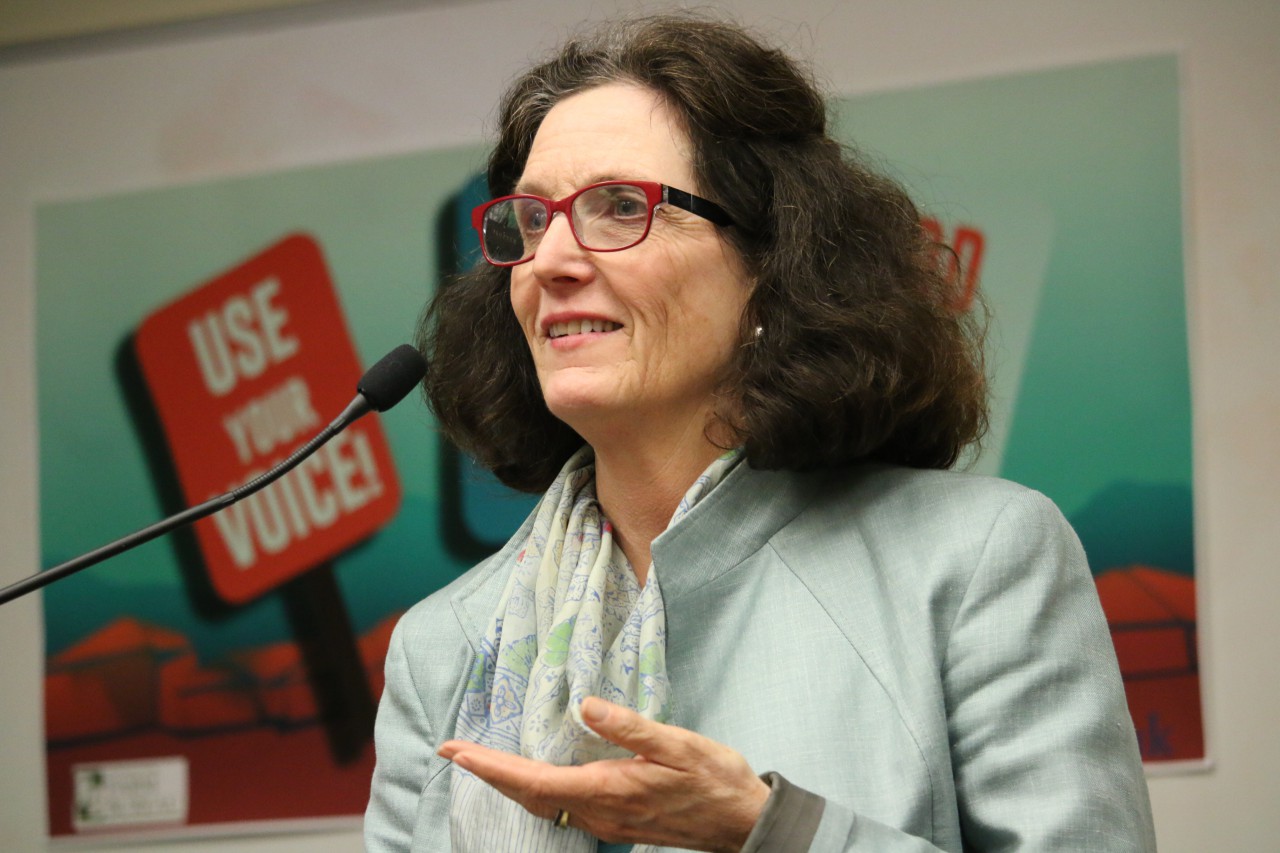
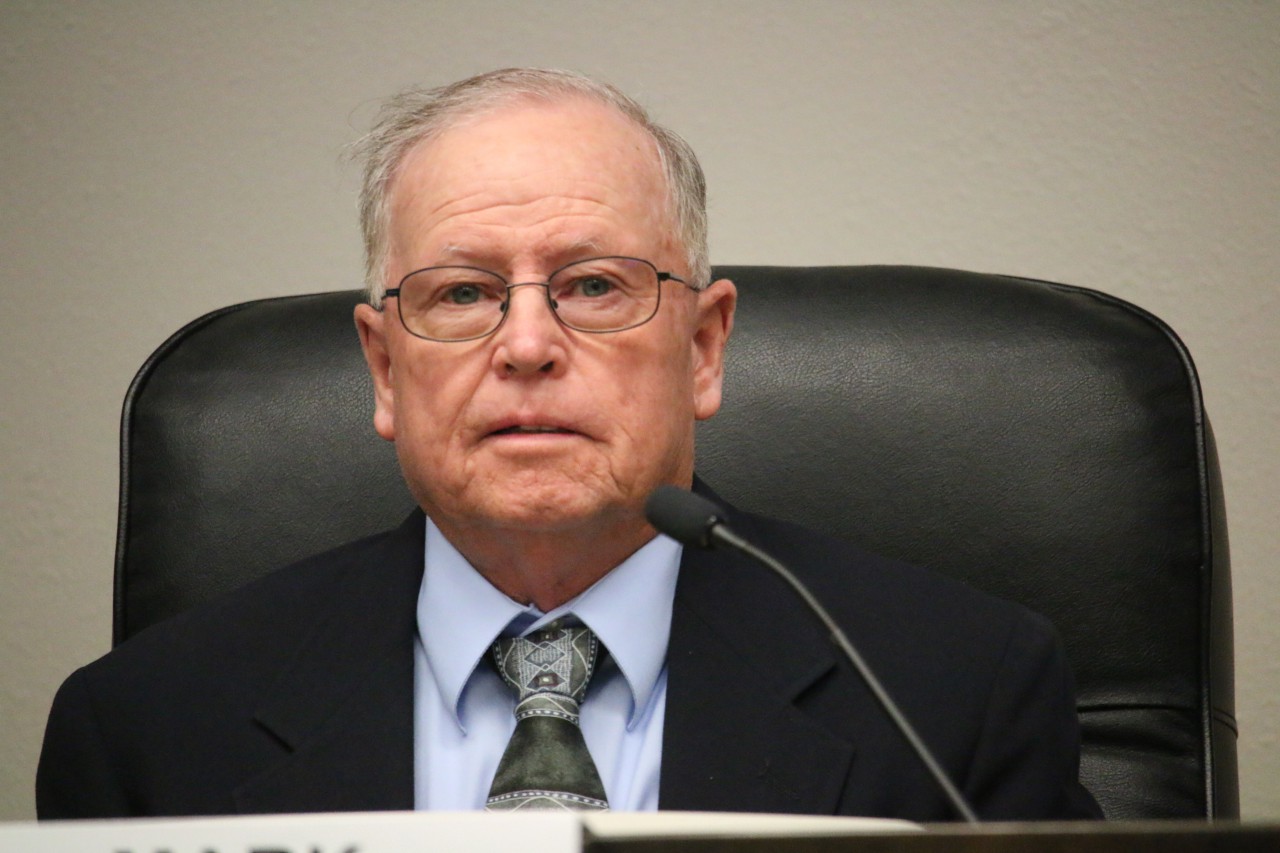

The first “Use Your Voice” public forum, jointly hosted by BenitoLink and the San Benito County Farm Bureau, was held at Hollister City Council chambers May 12. Candidates for Congress, the State Assembly, District 1 county supervisor, as well as a spokesman for Measure P answered questions solicited from the public through social media and email.
Leslie David, executive director of BenitoLink, said the purpose of the forum was to engage and inform the community to give them a better understanding of the issues. In teaming up with the Farm Bureau, David said it was important to be able to use the bureau’s years of experience in conducting the forums.
“It was helpful for BenitoLink to be able to connect with them, use their skill and past experience,” she said. “We’re involved because we have an interest in thoughtfully covering our local government and this is a step in that direction to provide it to our community.”
Rancher and President of the Farm Bureau, Pat Wirz ,outlined the format of the forum for the audience. Candidates gave opening statements and answered questions in an order chosen by Research Randomizer, a computer program.
“For the first time, the Farm Bureau has teamed with BenitoLink, our local Internet news service, for this evening’s proceedings,” Wirz said. “The candidates have not seen the questions before this evening. BenitoLink and the Farm Bureau do not endorse any candidates or any measures.”
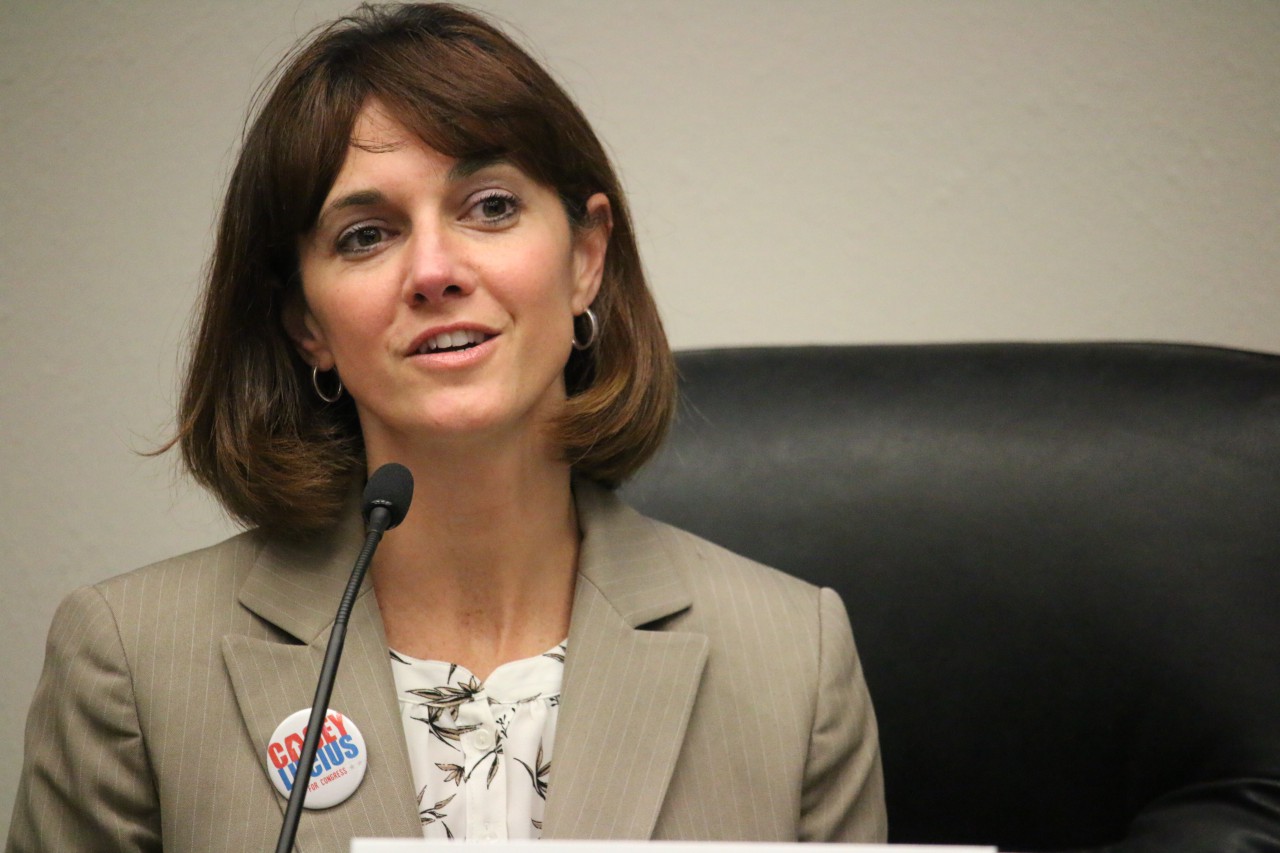
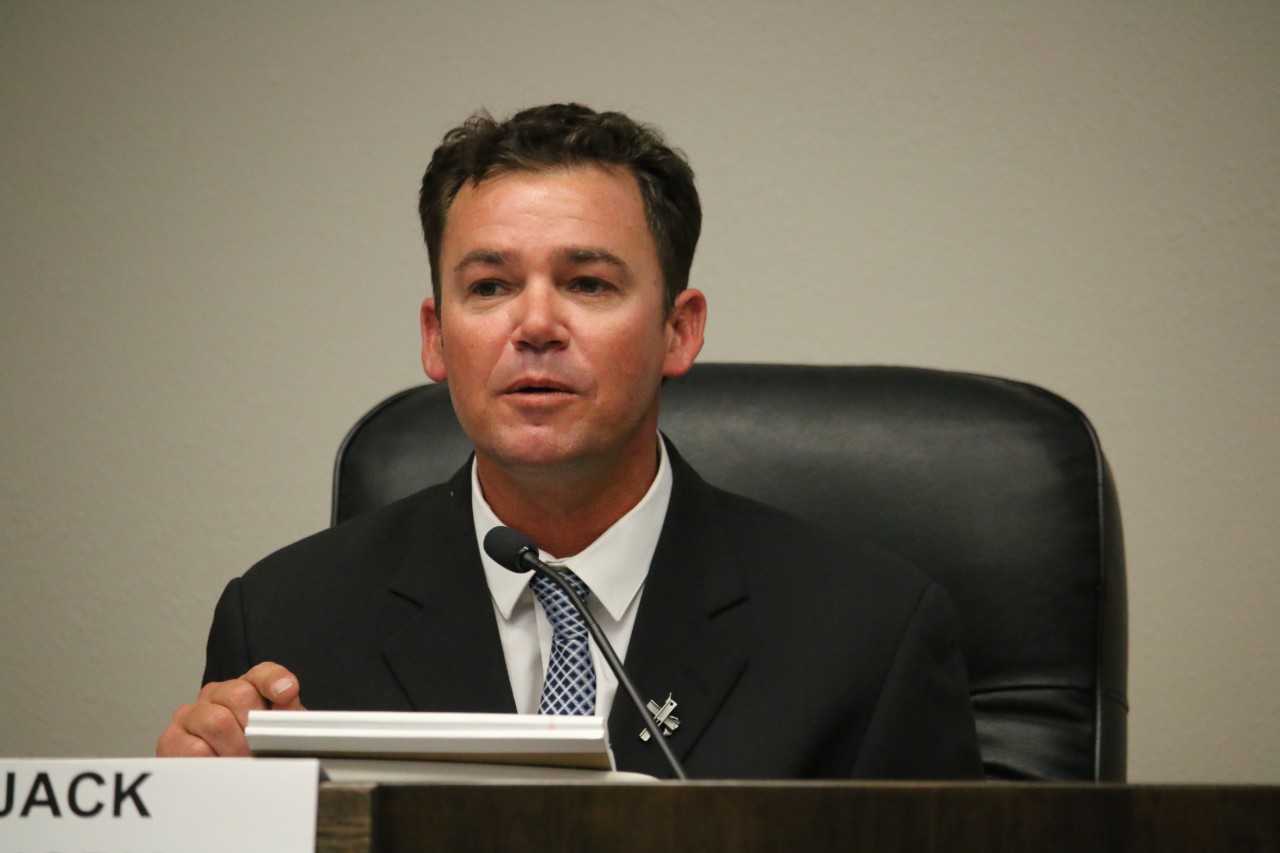
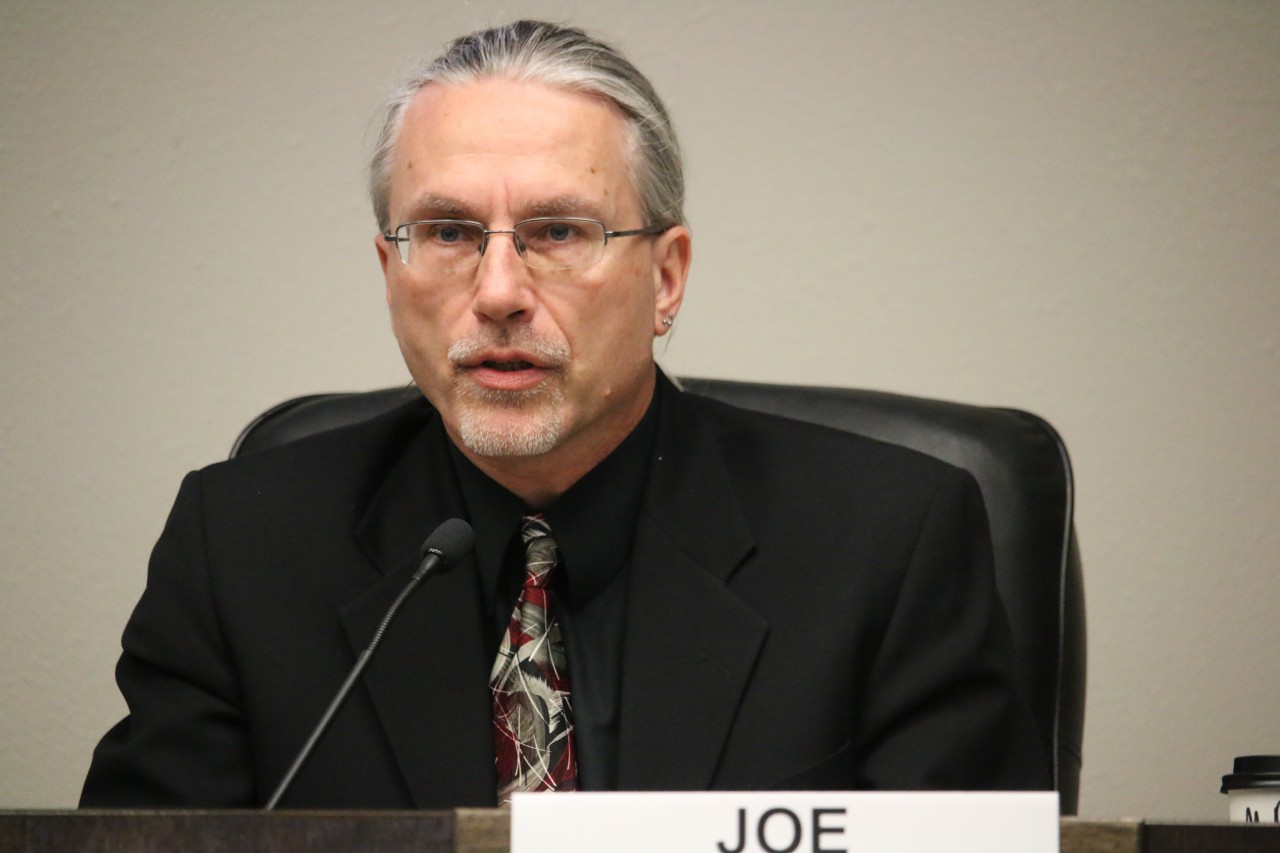
Dara Tobias, representing the Farm Bureau, and Mirian Martinez, representing BenitoLink, were the moderators. Tobias asked the first two questions of the candidates for the House of Representatives: Jack Digby, Casey Lucius and Joe Williams. Candidates Jimmy Panetta and Barbara Honegger were not able to attend.
Each candidate gave their 30-second opening statement. Lucius introduced herself by telling the audience she spent seven years on active duty as a U.S. Navy intelligence officer and that she has a masters’ degree in national security, as well a PhD. For the past seven years, she has taught at the Naval Post Graduate School in Monterey, and has spent four years on the Pacific Grove City Council.
Joe Williams, a lab technician who lives in Santa Cruz, is a union representative and delegate to the Monterey Bay Central Labor Council. He is a long-time volunteer for the Research Center for Non-Violence and said he supports anti-militarism.
Jack Digby, a union iron worker, said he is running for Congress because he wants to fight for “truth and justice.” He said he wants to assure that civil liberties are upheld and that every child in the nation has access to the best education. He concluded his statement with, “You want someone like me spending your money.”
Tobias asked the first question of Digby, repeating it for each candidate because of the taping of the forum by CMAP (Community Media Access Partnership): “What is your position on immigration reform, and does that include a guest worker program? Also, what constructive solutions do you see to resolve the challenges we are facing with our undocumented population?”
Digby said that if someone were to go to the high school and ask students how many of them wanted to work in the fields harvesting crops the answer would be, none. He said working in the fields are good jobs being done by good people.
“Government needs to provide a pathway to legitimacy for those people so they can have respect and dignity,” he said. “As a union iron worker, I believe in respect and dignity for every working person. Every time a field worker is taken advantage of it’s our fault. We’re the people who allow that situation to exist.”
He said there needs to be a visa program that will allow farm workers to live in the county legitimately without fear.
“They should be allowed to come here and work, be protected, and then go home,” Digby said. “We shouldn’t be giving residency to everybody. It’s very expensive. Look at our education system. It’s a huge burden and it brings down the quality of education in California for all.”
The idea of sanctuary cities, he added, is a bad idea and that it is wrong to tell the police to enforce some laws and not all the laws. He said he would never ask them to do less.
Candidate Casey Lucius said the question is the most important one for the district because agriculture is the No.1 economic driver that relies on immigrant labor.
“There is a buzz phrase, comprehensive immigration reform,” she said. “The problem is no one can agree on what comprehensive immigration reform should include.”
Lucius said the first move to accomplishing this is to reform the visa process, starting with H2A, which the guest worker program relies on. She said it is too cumbersome for employers to apply for an H2A visa. For one thing, she said, they cost about $4,000 each, and many workers need multiple visas.
“Nationwide, the ag industry needs 3.2 million H2A visas and the federal government issues 104,000, so the question about what do we do with our undocumented population, we have millions of people working in the ag industry, not because they want to work illegally or because the employers want to hire them illegally, but because the federal government does not have the capacity to issue 3.2 million H2A visas.”
Lucius said the process needs to be streamlined and place under the Department of Labor, to make it a labor issue rather than an immigration issue. She also said there is a need to reform the workforce housing requirement of the H2A visa program.
Joe Williams he wants no human being classified at “illegal,” but rather as, “citizens of the planet.” He wants to erase all references to undocumented or illegal. He talked about the “DREAMers,” children of undocumented workers going to school.
“Something I view as a positive is the announcement that Medical is now going to be extended to the children the undocumented folks in this state,” he said. “I’d like to fix the overtime rule exception. If you’re a farm worker those don’t apply. There’s a lot of union organizing that can happen with those folks to give them a stronger voice.”
Williams said he does favor sanctuary cities, stating it is wrong to raid homes and separate children from their parents, calling it immoral and inhumane.
“I want to stop those raids and stop the deportations,” he said. “Let’s keep families together and rein in Homeland Security.”
Tobias asked the next question, first to Williams: “How do you assure us that San Benito County will receive equal representation in relation to the larger and better funded counties in District 20?”
Williams said he would have a local office so the public could bring their concerns to him directly. He said any federal funding coming to the area should be shared equally between the counties. He said he hasn’t been in Hollister in 12 years when he was running against Sam Farr, and wasn’t sure what its specific issues are. He said he doesn’t think the district has been represented properly for the last 23 years (during Farr’s time in office).
“There’s favored special-interest groups; the Democrats have controlled this seat forever,” he said. “We’re overdue for change. If there are issues out there that you have not been given a fair hearing through your congressional office, you will if I am elected.”
Digby opened with, “You can pretend to care, but you can’t pretend to show up (an apparent dig at Panetta).” He said he has worked in Hollister at a number of jobs as an iron worker, including Hazel Hawkins Hospital and Albertsons. He said he enjoys Hollister and likes to come to ride his motorcycle. He said he is familiar with rural issues.
“Just like I’m here tonight, I’ll be here when you need me,” he said.
Lucius commented that while each of the four counties in the district is unique, the issues across them are the same: investments in roads, affordable housing, education, and new water sources and storage. She said government over-regulation is crushing job growth, job creation and having a thriving economy. She said San Benito County should not be considered as different, but part of one district, which she would represent equally.
“There is a great opportunity to draw people to San Benito County through the Pinnacles,” she said. “One of the things we can do is invest in an entrance to the Pinnacles on the San Benito County side. You could create an ecotourism in San Benito County.”
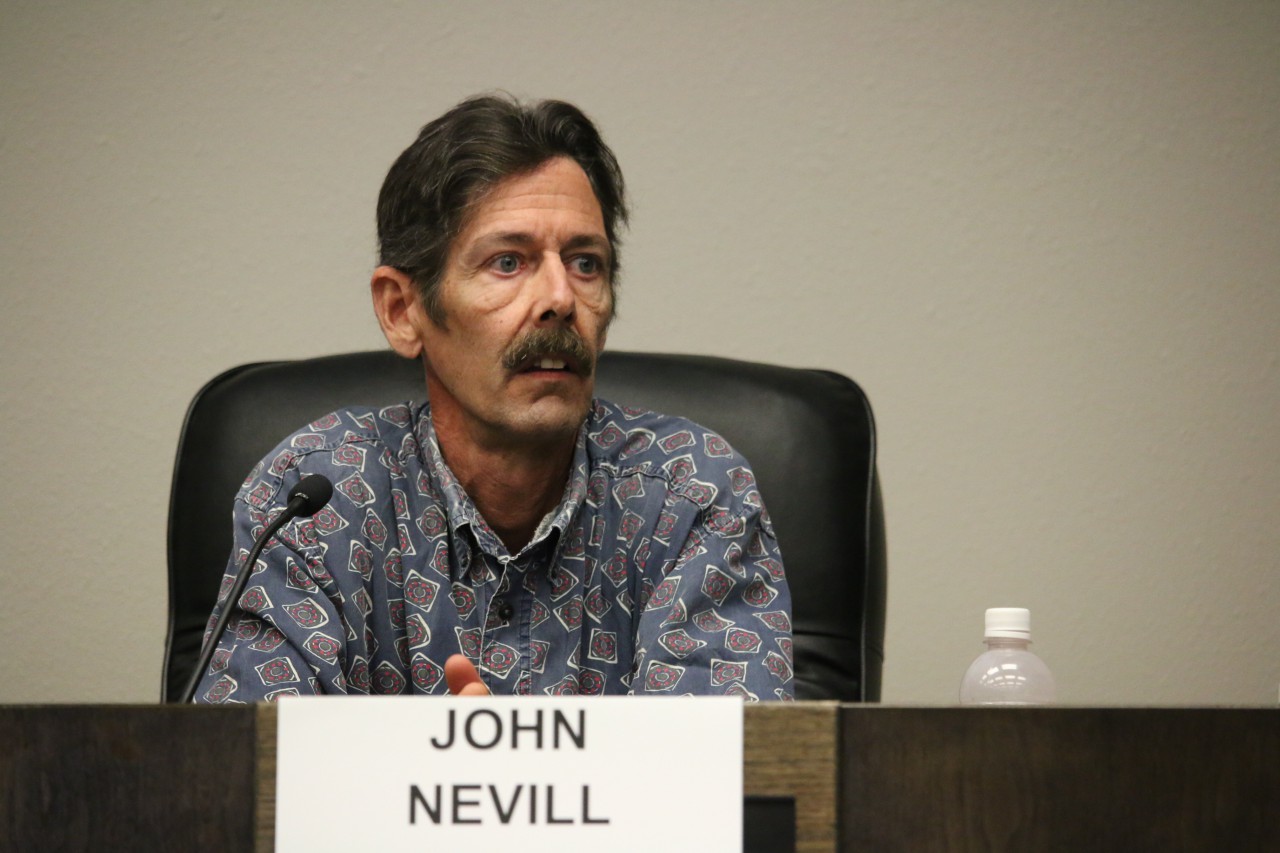
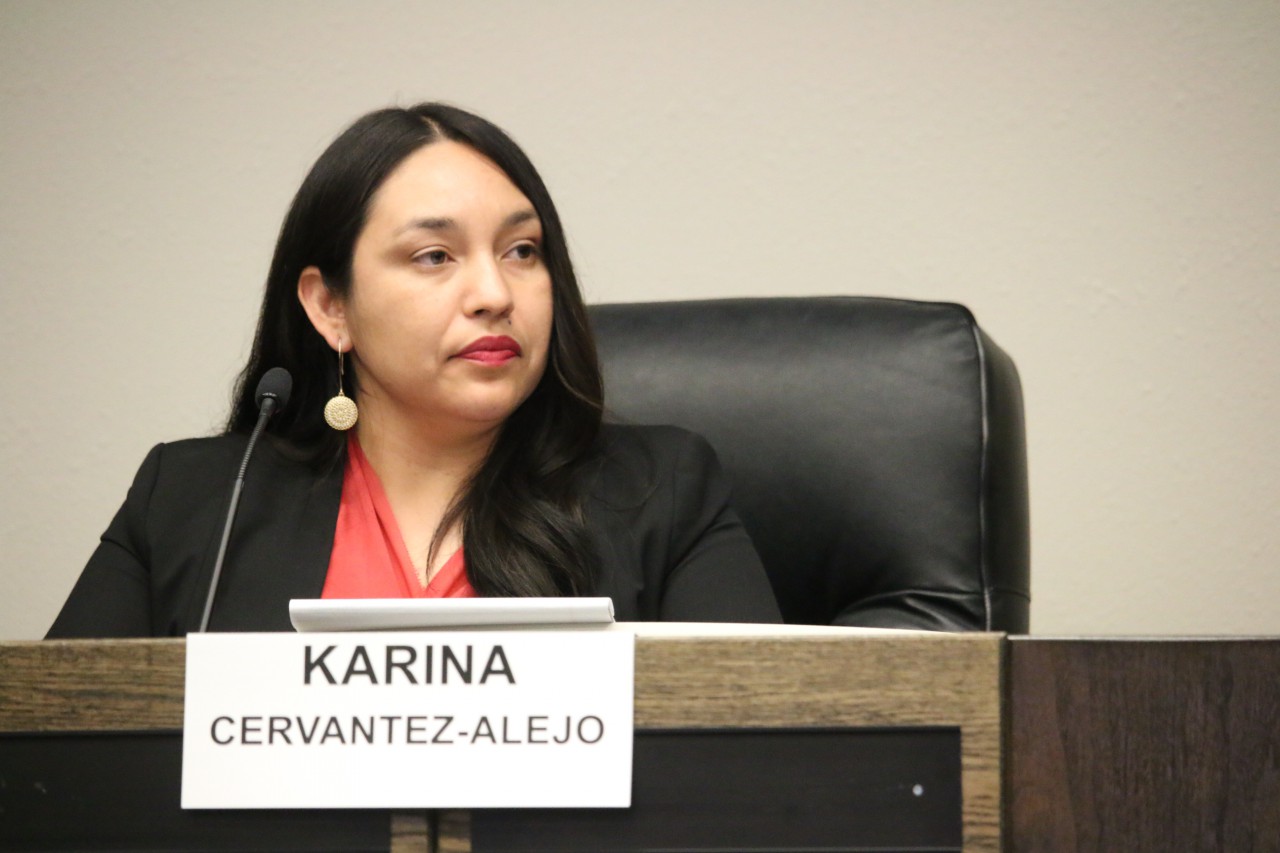
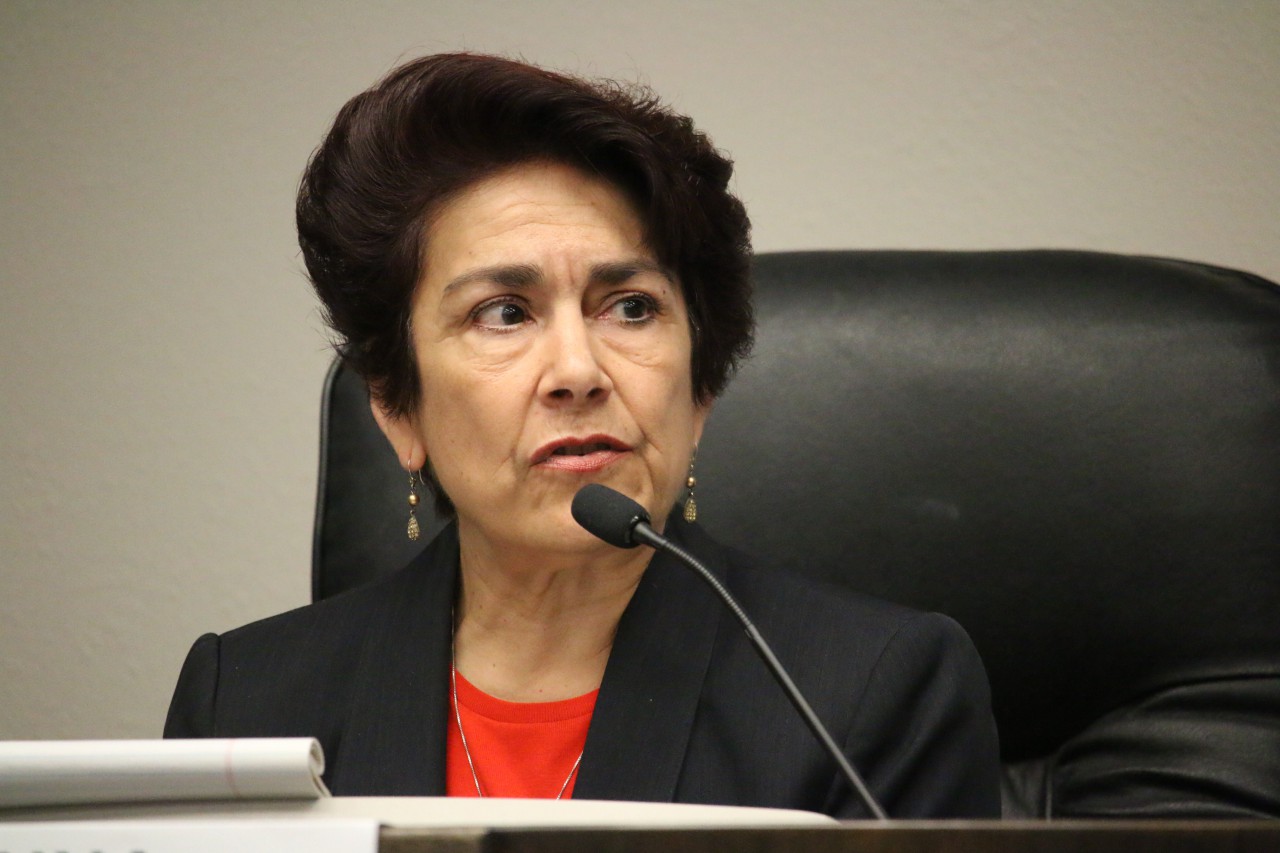
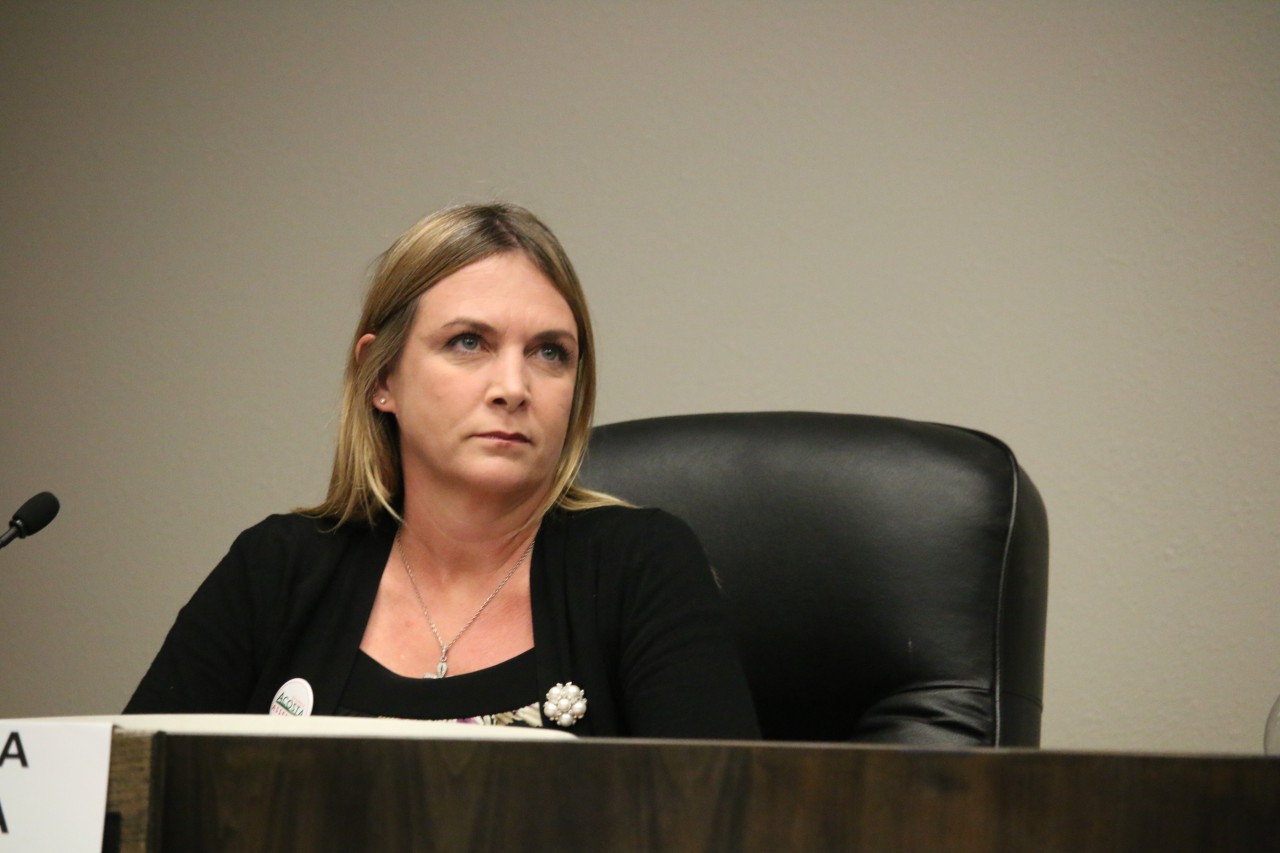
All four candidates gave their closing statement, and then the forum moved to the candidates for the Assembly (District 30): Georgia Acosta, Anna Caballero, Karina Cervantez-Alejo and John Nevill.
Each gave an opening statement, beginning with Caballero, who said she has had a local business (a law firm with an office in Hollister) for 25 years and served on the Salinas City Council for 15 years and as an Assembly member for four years. Recently, she served on Governor Jerry Brown’s cabinet serving business consumer services. She is now a consultant conducting workshops for small businesses.
Nevill, from King City, said he has lived in the area and worked in public services for 30 years. He recently retired and feels the time is right to serve the people of the area.
Acosta said she has lived in the district her entire life. She and her family, going back to her grandparents, have worked in agriculture. At the state level, she has advocated landowners’ property and water rights.
Cervantez-Alejo is the vice mayor of Watsonville and a lecturer at California State University, Monterey Bay. The wife of termed-out Assemblyman Luis Alejo, said she feels it’s important to have full access to colleges and universities for California students. She wants to attract more jobs to the region and invest more in water infrastructure.
Cervantez-Alejo got the initial question first: “What do you see as the most important issue San Benito is facing and how do you plan to address them?”
Cervantez-Alejo said jobs and economic development is important for the county and throughout the state. She said the state needs to invest in the schools more, as well as ground transportation infrastructure. Local dollars need to be invested in local roads, and the state needs to support these efforts, she said.
“One possible solution is to redirect $1 billion in truck weight fees that were shifted over to the general fund during the economic recession,” she said. “Now that we’re in a healthier financial situation in the state that we return those monies to the proper transportation fund so we can assist our local communities to be able to make the necessary investments in those transportation projects that have been neglected and impact our economic and social welfare.”
Cervantez-Alejo said affordable housing is an important issue so people can live where they work, and that there is a full range of housing opportunities for all income levels.
Caballero said water, affordable housing and transportation are the key issues. She said two thirds of the state relies on water from the Delta, which is in “grave danger” and may not continue to supply water to 24 million Californians. She said when she was in the legislature she co-authored a bond measure, and even though signed by the governor was reduced in size and needs to be readdressed because the bond is not big enough.
“We need water for storage and conservation,” she said. “We also need to put water into the infrastructure in order to move it throughout the state efficiently and in a way to assure that every community gets the water they need.”
Caballero said it’s important to fund transportation projects, particularly Highways 25 and 156. She said she is working on a plan to re-purpose underperforming properties, such as strip malls.
“If we do that we can make sure we protect the environment and provide the affordable housing that we need,” she said.
Acosta said as a small business it is nearly impossible to be profitable because of over-regulation. She said there needs to be less regulation and more support for local businesses, particularly for agriculture, which she described as the backbone for the entire state. She said there is a need to put more trust in local school boards and teachers to determine the needs of the students. She said there needs to be more support through non-profits to bridge the gap between schools and homes.
Nevill commented on the importance of Pinnacles National Park to county small businesses. He said reservoirs are important to the county. He said there needs to be more transparency in local government, so elected officials understand they are accountable to the public.
“When we put these people in office are they going to serve you or are they going to serve themselves?” he said.
The second question was: “What will you do to help reduce the excessive bureaucracy that our business leaders feel strangles economic growth? How will you help establish more industry in our county?”
Acosta was first up, saying that there can be no economic growth unless there is a reduction in regulations and there needs to be more local control and less from Sacramento. Nevill said there is concern in how the federal and state governments conduct oversight of the H2A program. He spoke in favor of Measure P because better roads would be more inviting to attract more businesses to the area. He said there needs to more thought in how to get tourists on their way to the Pinnacles to stop and spend money in the county. He is in favor of more public-private projects to maintain infrastructure. Cervantez-Alejo said in addition to improving the roads coming into the county there is a need to let people know that it is a destination. She said there is a need to attract light manufacturing industries, to device tech hubs and invest in broadband infrastructure. She pointed out the importance of promoting organic farming, agri-tourism and green jobs connected to the solar industry. Cervantez-Alejo said she has the knowledge of how to work with bureaucracies and how to communicate with various city and county entities. She, too, is concerned about over-regulation and conflicting rules from different agencies.
Next on the agenda were the two candidates for District 1 county supervisor, Mark Starritt and Mark Medina. Each was asked two questions and had two minutes to answer. The first went to Medina: “What do you feel is the most critical issues for San Benito County and why?”
Medina said as he sees it the most critical issues are roads, bringing different businesses to the community, and education. He questioned the reasons for the substandard roads and said it comes down to, “…strategizing what we want for the future.” He said Measure P is important, but that it is important that the money is earmarked to pay for local roads only. In attracting new business to the area he said he wants to be, “…the ambassador for business development,” to direct people who want to open businesses through the process, and to be welcoming to them.
Starritt said as an agriculture community the area is primarily a bedroom community to Silicon Valley. He said housing requires 80 percent of the services, but generates only 20 percent of the revenue, while it is just the opposite for businesses. He said it has been too long since the community has taken advantage of the resources in order to attract more business. He said to make it happen there needs to be more reasonable regulation from the county and city. Impact fees, he added, are only a short-term solution and it’s important to attract businesses that will generate revenues for decades.
The second question concerned the cultivation, manufacturing and sale of cannabis, and how the candidates would address the health and social consequences. Starritt said he personally did not favor cannabis, but acknowledged that a law allowing it would likely be passed and people’s attitudes would change because of the potential tax revenues. He said if it does become law it needs to be regulated because of the possibility of criminal involvement. He compared it to Prohibition in the 1920s. He said he understood medical marijuana, but had reservations about other forms.
Medina agrees with cultivation and the sale of medical marijuana. He said it should be grown indoors and regulated like any other business. Before approving recreational use, he would want to study what is happening in states where it has already been legalized to see what impact it has had.
Last up was Hollister Mayor Ignacio Velazquez to answer questions about Measure P. No one was present to oppose the measure. First, he was asked about what projects the measure would pay for and how were they prioritized.
Velazquez said the measure was designed to raise $240 million, of which $125 million would go to widen Highway 25; $72 million to repair roads within the city; and $48 million to complete projects already underway. He said Highway 25 is at capacity and if nothing is done now businesses will not come to Hollister. He said $4 million is needed to maintain city roads at their present levels; to repair them would cost $8 million annually; and to improve them would cost $10 million.
“The City of Hollister receives about $800,000 in gas tax,” he said. “We’re nowhere near there.”
Velazquez was asked, considering the growth in the county, how would the measure reduce the impact of increased commuter traffic. He responded that money had been raised to improve Highway 156, but the state is pulling back. Without the measure, he said the widening of Highway 25 will not happen because the state has moved on to funding rail and other transportation venues. He said the first project to be addressed if the measure passes on the June ballot would be reengineering the interchange at Highways 25 and 101.
The last question concerned the controversy over the bond for Gavilan College and how Measure P would be different. The mayor said that in politics, sometimes something goes wrong. He said there will be an oversight committee for the measure and there “…is no way Sacramento can come in and take our money. There’s no way the city can say we’ve decided we want to do this project and forget San Benito County.” He concluded by saying that in addition to the oversight committee, the public needs to demand politicians keep their word. “Come after us,” he challenged. “Don’t ever let it go again as in the past. You are the strongest voice out there. That’s how we’re going to make sure those dollars are implemented the right way.”
You must be logged in to post a comment.