




Developers were dealt a blow March 7 when the Hollister City Council opted to put a hold on several resolutions aimed at annexing properties into the city and an amendment to the municipal code regarding pre-zoning certain properties.
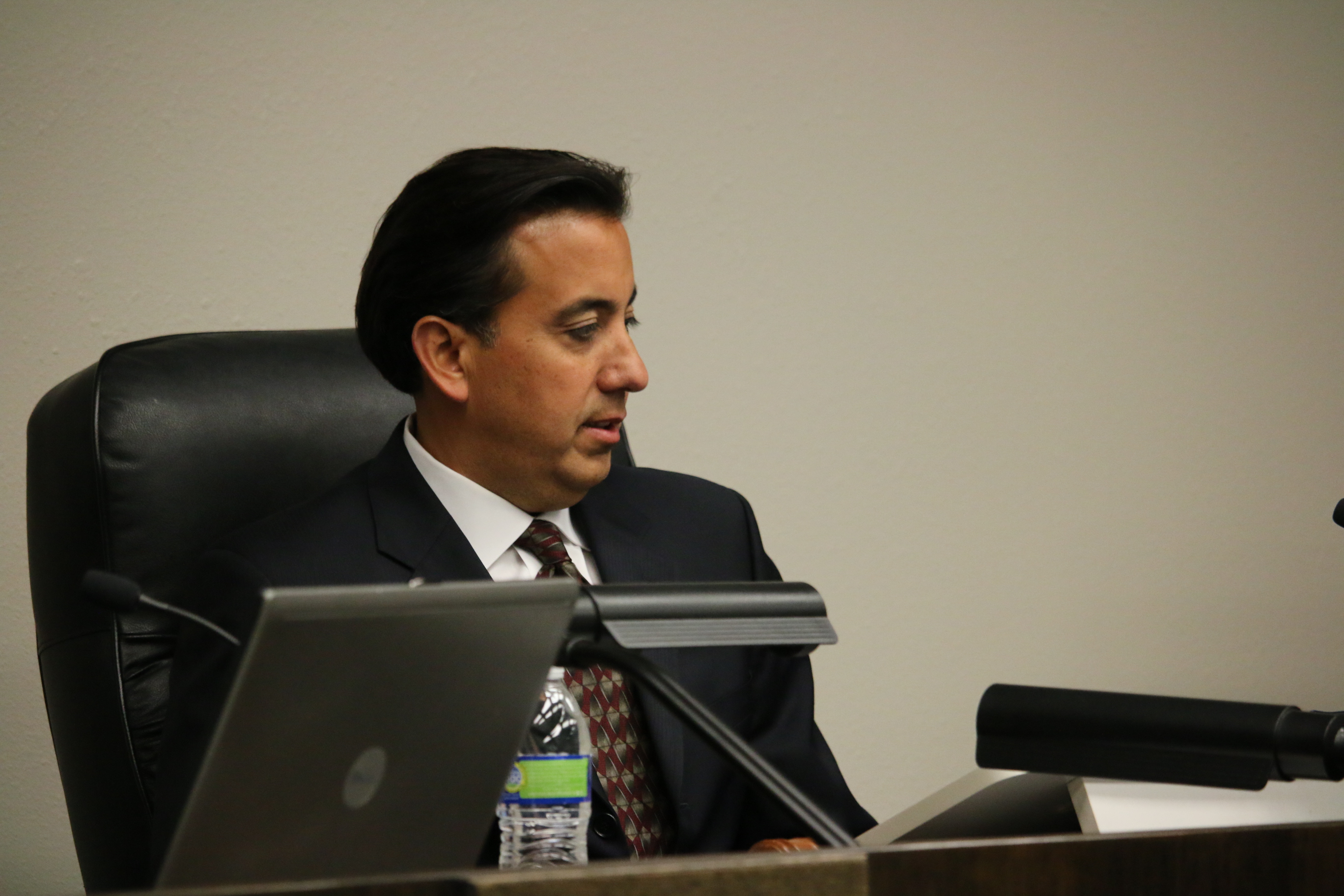
Mayor Ignacio Velazquez questioned whether there was a point to approving the resolutions because of recent court rulings striking down an $11,000-per-unit fee for new development.
“At this point, with the issues going on with the county and the judgment from the courts on the agreement that the county had with annexing properties into the city, I understand a lot of these agreements have been overturned, so there are no agreements until we restructure and negotiate agreements with the county?” Velazquez asked City Attorney Brad Sullivan.
Sullivan told Velazquez he was correct and explained that there had been a master tax-sharing agreement between the city and county that included an element that required the city to make a payment in order to take on the annexation.
“That part was found to not be authorized by state law, and a condition within the contract where the county could come and take the money out of the city’s account with the county, the property tax was held, again, to not be within state law,” Sullivan said. “That master agreement for tax sharing has been invalidated.”
Even so, he said the resolutions could proceed, but the applicants needed to know that they, along with the city and county, can either wait until there is another master agreement between the city council and the county board of supervisors, or they could be negotiated on an individual basis.
Sullivan said there were questions about whether agreements could move forward despite the $11,000 fee being disallowed. He said they could not because the entire tax-sharing agreement has been invalidated. He said if the resolutions before the council were to go forward they could not be finalized until there is a new master agreement.
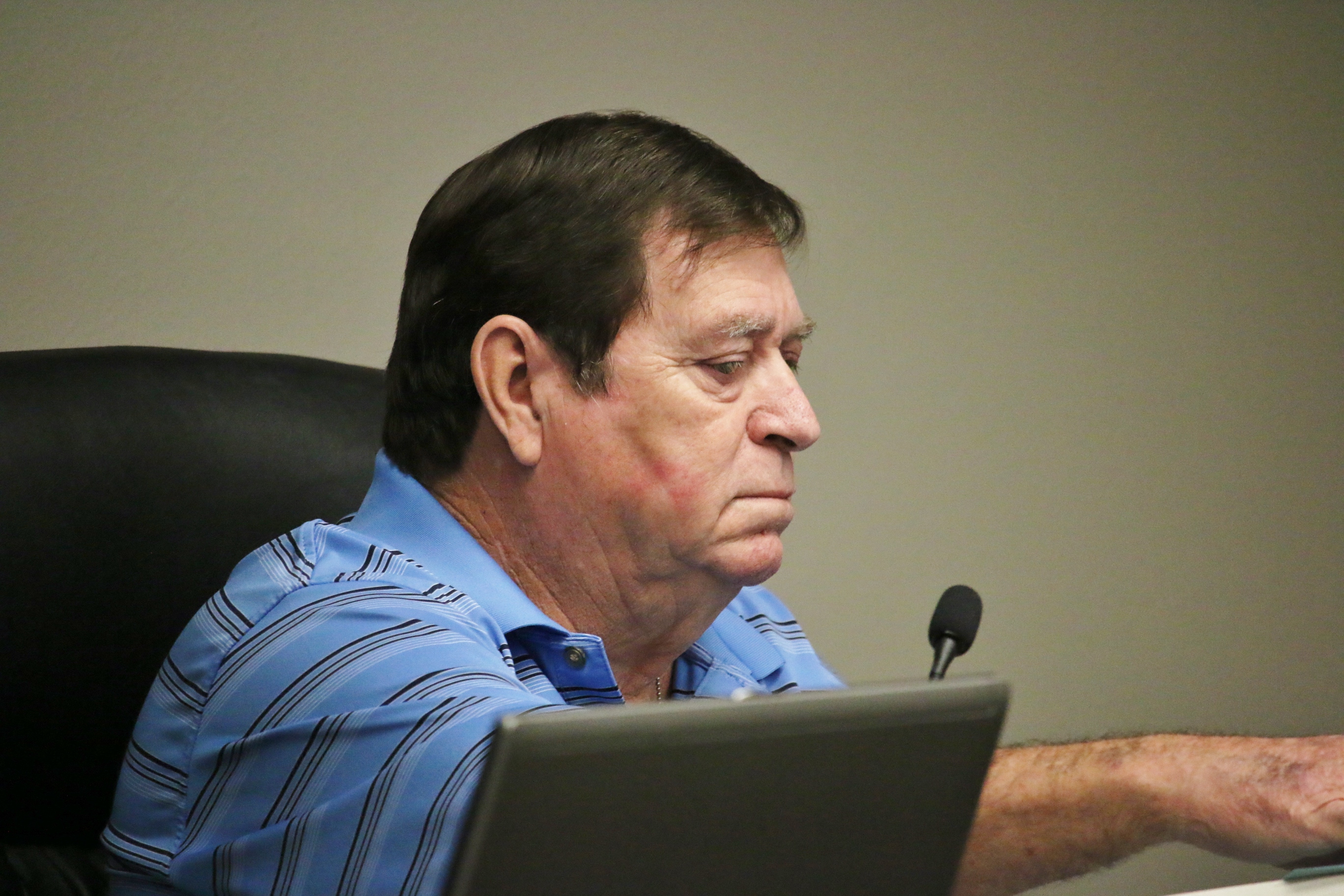
Councilman Raymond Friend said he thought it would not be appropriate to approve the resolutions because the city is about to get involved with negotiations with the county to more accurately reflect the true cost to the city of annexing new developments.
“I don’t think it’s fair to move this forward because that person may not be able to develop once this is changed,” he said. “Right now, they’re developing in the county because it’s cheaper than going into the city. And the reason is because they’re not paying for the city services.”
Sullivan said he was not making a recommendation either way about passing the resolutions, but clarified that if the council did pass them it does not mean the developers have to annex the land.
“It just means you’re approving it subject to this last condition that an agreement for the sharing of their property tax between the city and county is made at some point between now and when they begin construction,” he said. “If they choose not to pay it, they would be able to say they’re headed in another direction and walk away.”
The mayor asked if it would be better to wait until the city was clear about its relationship with the county. Friend said there might be a negotiating advantage to the city if a number of developers were demanding action from the county. Sullivan thought it might be good to ask the developers what course of action they would prefer. He said he agreed with what he was hearing from the council and that the general plan of both the city and county are designed to encourage development within the city, where the services can be provided.
The mayor said it might be helpful for all concerned to have a study session to better understand what the previous agreement entailed in order to be clear on what the “dollar-flow was back into the city.”
“I think it’s premature to work out some deals here only to find out we don’t really have a deal,” Velazquez said. “We’re only going to put the developers into a bind until we get that situated.”
He asked the other council members if they agreed with tabling the annexation resolutions. Friend said he was in favor of doing so. Sullivan said they could table the resolutions, process or deny them without prejudice and bring them up at a later meeting.
One developer’s representative said it was his understanding that the lawsuit only concerned the $11,000-per-unit fee. He said if the council approved the resolution concerning his particular development ,it might open up the possibility of his group being involved with a study session with the city staff to work on the agreement with the county.
“If we come up with an individual deal that meets the city’s requirements for the annexation, what’s the chance that the judge is going to say ‘you don’t have a master plan and we don’t have to accept any of that?’” Friend asked.
Sullivan said the city can come to an agreement on a case-by-case basis. He said that is done in some counties if a particular case is unique enough to depart from the master agreement. He said Hollister could be in that position when it comes to lots surrounded by the county and the person is annexing not for the purpose of developing the land, but more likely in order to hook up to city services. He questioned if such a property owner was attempting to annex for services only, if they would have to pay an $11,000 fee.
Again, Friend said it would be more appropriate to wait until a new master agreement was completed. Velazquez reiterated that there are several projects already in the pipeline that will have to face the same problem.
“I don’t want to be in a situation where we’re negotiating deals for each different project,” the mayor said. “Either we have a structure worked out with the county or we don’t. I think it’s going to prolong this process if we keep working separate deals.”
Councilwoman Mickie Luna said she wanted to table the resolutions in favor of a study session. She said in order to move forward she wanted to know more about the current status of the master agreement. City Manager Bill Avera recommended adding an agenda item to the next council meeting agenda in order to go over the details of the agreement. He recommended that the council go ahead and approve the resolution concerning pre-zoning because it was not an issue and would save time in the future, but that they could table those concerning annexations.
The mayor told Avera that the council needed to know the history of annexations and how they have affected the city.
“It’s one of the reasons we’ve had financial problems for years,” Velazquez said. “If we’re not getting our fair share it hurts the city.”
Friend said it’s important to move forward in negotiating with the county.
“We’re talking about money and they’re not getting their money until we do these annexations,” he said. “I hate to play games with some of these projects, but that’s how I feel. They (county) have no reason to want to redo this in any other direction than what they were already getting. In fact, they’re complaining about not getting enough.”
You must be logged in to post a comment.