



What was definitely a result over the public outcry after the Oct. 24 Supervisor meeting in which four of the five voted to consider a 55.7 percent pay raise, the board voted unanimously Nov. 7 to quash any notion of a raise and broached the possibility that an independent committee be considered for any future pay raises for supervisors.
See BenitoLink story on supervisors’ pay raise vote.
After it was obvious the board was set to let the ordinance fail, Supervisor Jerry Muenzer asked Barbara Thompson, city counsel, if by simply not making a motion would the ordinance die and be put to rest. She said it would. He then qualified his question and asked if a there was a motion, would it “be put to rest even more.”
When she told him he was correct, Supervisor Anthony Botelho made one of the more colorful motions to possibly ever be put forth at a board meeting when he said, “I’m the type of guy if you get in a fight with me I’ll get you down on the ground and step on your throat. So, I’m making a motion that we kill ordinance 828.”
Supervisor Jaime De La Cruz quipped, “I’ll remember those comments,” and then the board did vote against the ordinance. Earlier in the meeting, though, De La Cruz had attempted to have it removed from the agenda altogether and Supervisor Mark Medina agreed with him. However, Botelho insisted it remain on the agenda to give interested parties the opportunity to comment on it. Muenzer and Robert Rivas agreed with him, and so the public was given a chance to have its say.
Initially, there were no speaker cards, so Botelho took the opportunity to explain that during game seven of the recent baseball playoffs he was contacted by leaders of the county employee bargaining units to attend a meeting involving them and the other board members. He said after the meeting he came away with a lot to think about. He commented that everybody apparently agrees that compensation for supervisors must be addressed at some point, but other issues, particularly county employees’ compensation disparities, need to be addressed first. He mentioned that just last week a member (deputy counsel) of the county counsel’s office was offered a job (in Santa Clara County) for twice her current salary.
“We have issues with classifications, as it was pointed out the other night by the leaders of our employee groups, which we need to address first,” he said. “That’s far more important than for us to look at salary comparisons with other counties at the supervisor level.”
Botelho suggested it might be more acceptable for the supervisors to take the same 3.5 percent salary increase that they gave county employees. Muenzer commented that he agreed with most of what Botelho said and thanked union leaders they had met with for their professionalism in stating their position. He thanked residents who contacted the supervisors to express support, but he had concluded that through the open process of “throwing out a number for the community to consider” they needed to reconsider their position.
“We heard from the community and that number seems to be wrong,” Muenzer said, “so, it’s not something I can support at this time.”
De La Cruz described the impromptu meeting with union leaders as educational and proof of their commitment to the community. He described the past couple weeks since the Oct. 24 meeting as an “evolving process on an item that needed to be discussed” and the community responded.
“We heard you and we got a clear message,” he admitted. “I honestly believe the decision cannot be made among us five. I would suggest maybe a committee of citizens should be created to come up with the idea and let the recommendation come from them. Is this a full-time or part-time position and what (is the) salary structure?”
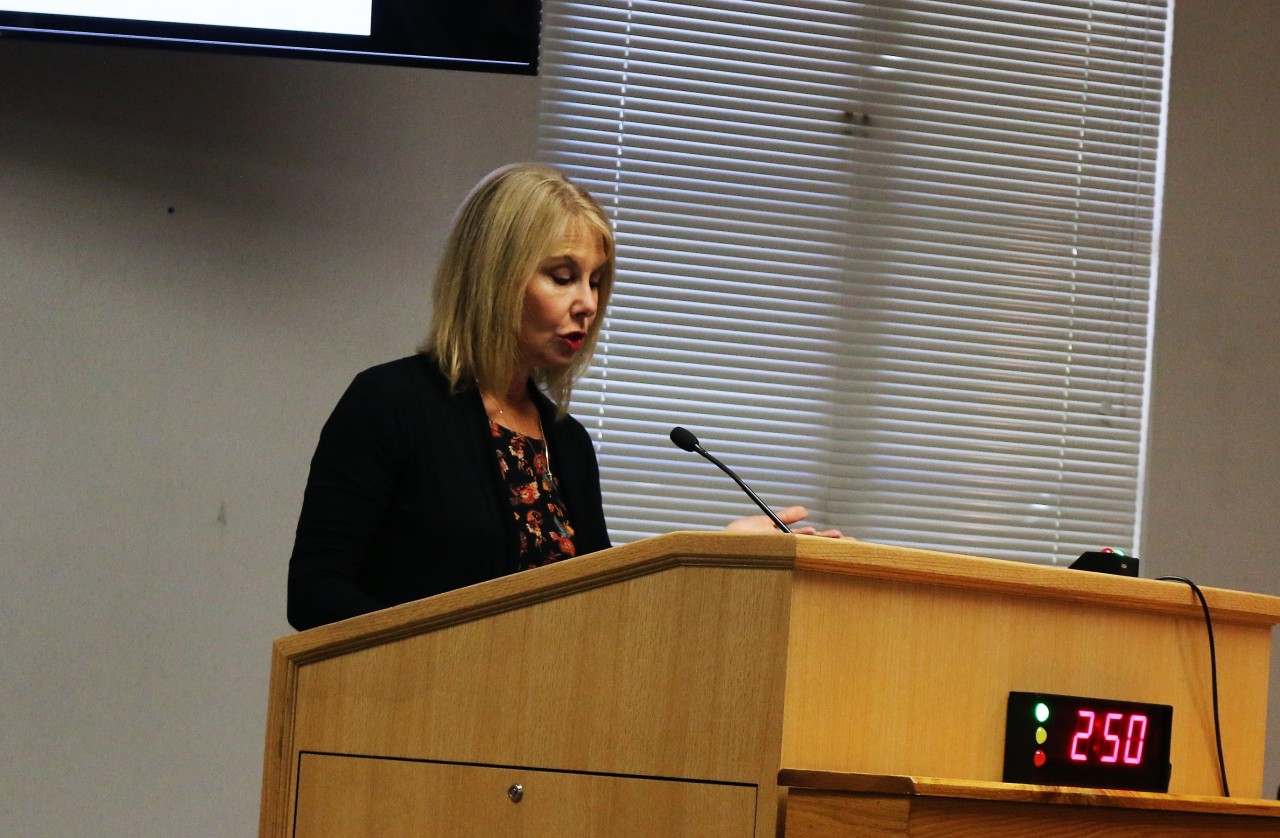
When it came time for public comments, Marty Richman was the first up to the podium. Richman had strongly challenged the board’s competency and move to raise their salaries at the Oct. 24 meeting. He was more reserved this time, declaring he did not want to “beat a dead horse” because he got the message they intended to change course. Instead, he offered up an example of why the county cannot keep staff, pointing out that Santa Cruz County pays an entry-level eligibility worker $9,000 more than the most senior-level eligibility worker in San Benito County receives.
“The numbers are outrageous, and what it means is you’ll never be able to keep anyone with that kind of (salary) gap,” he said. “Yes, it costs money to commute, but the truth is when the difference in our top salary and their bottom salary is $9,000, you’re just not going to be able to keep anybody.”
He said he did not oppose money being spent to support the county, but suggested it be directed at support people rather than managers, so supervisors don’t “have to do it all,” as was noted Oct. 24 as part of the justification for the proposed raise.
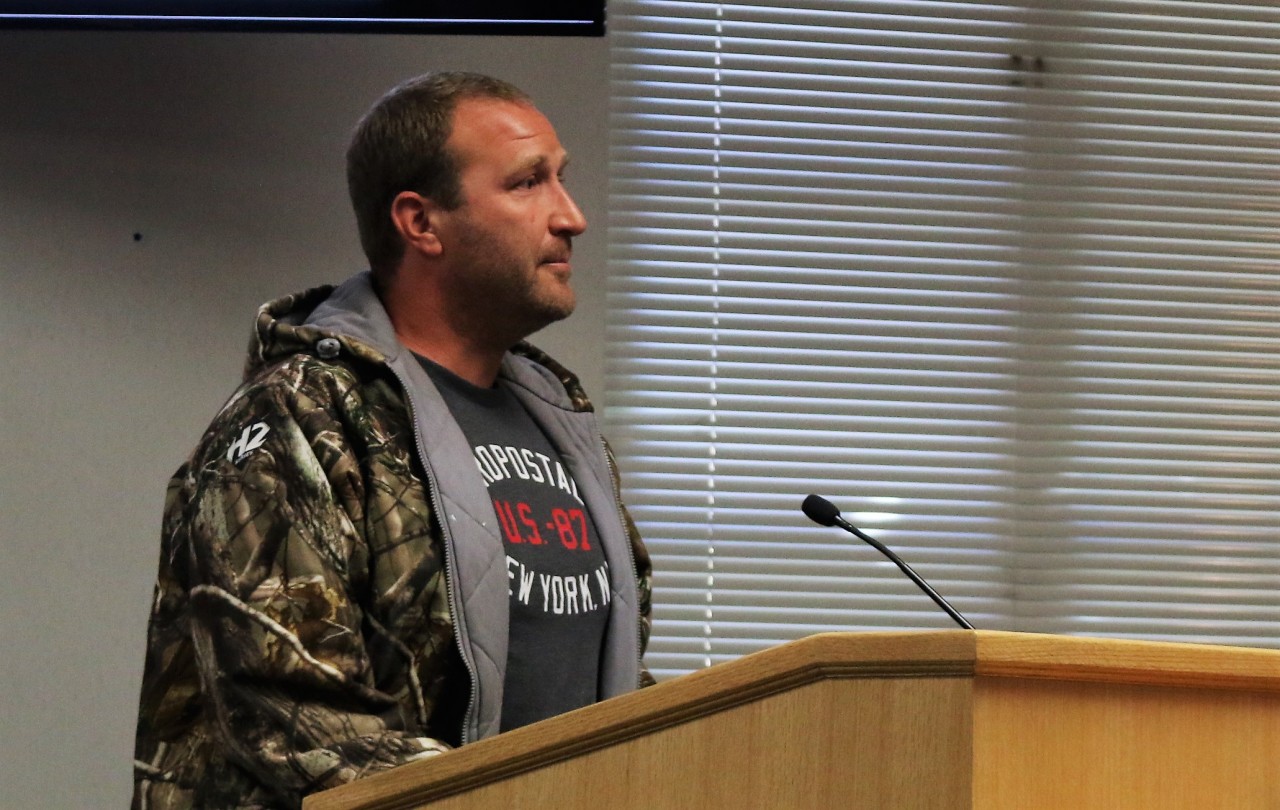
Dan Valcazar thanked each supervisor for speaking to him over the weekend. He commented that he was pleasantly surprised and pleased that after De La Cruz tried to take the item off the agenda others insisted it stay on so he had not wasted his time in coming to the meeting to comment on it himself. He said he supports the supervisors, but more so the ideal of a “county father,” or someone who doesn’t need the money, but is driven by a desire to serve the community. He said he understands the economics, but questions comments about raising the competency of the board through higher pay.
“What does that say when you look in the mirror and say ‘we need more competent supervisors by raising wages,’” he said. “If you want to raise the wages, raise them at the next election and see who goes against you. Maybe you’ll get more people, but are they running because of the money and benefits?”
Valcazar also questioned the cost of the study used to determine that parity was a 56 percent raise. Robert Gibson said compensation should be fair and because of changes in the county, he thinks the supervisor position should be considered full-time. He said if people insist the position should remain part-time then they should not complain about their hour-and-a-half commutes because supervisors need to expend time to study how to improve roads and other issues. Valerie Egland said she has made it a point over the last few years to be at as many meetings as possible. Over time, she has seen the loss of many of the younger staff to other counties and that older people who join the county staff seem to be at the end of their careers, yet they are the ones building the county and its departments. She said there needs to be a balance between the two demographics.
Kathy Postigo commented that the supervisors had received every cost-of-living increase over the years as the staff did. She said when they were elected they knew what the salary was, and if it wasn’t enough they shouldn’t have bothered running. If they can’t afford to live on the salary, she suggested they find other ways to serve the community. She also said it was not fair for them to compare their salaries to those of supervisors in other counties because when staff was bargaining for an increase in pay they were not allowed to do the same. She compared the total cost of a raise for all five supervisors to the cost of repairing the flood-damaged levees in the Lovers Lane area, claiming the raise would pay for a third of the cost for repairs.
Catherine Shaw, a retired county analyst, asked a number of poignant monetary questions: Did the supervisors expect to receive the same series of increases that county employees would from their most recent agreement? Would they receive a similar signing bonus, even though the board was elected? How can the board support an increase that is 30 percent higher than what was awarded to the full-time employees?
Shaw also pointed out that the entire raise for all five board members would total $375,000, plus benefits, car allowance, admin leave, vacation and retirement, if they were vested. Suzy Caston, president of the local SEIU chapter, complemented the board for working with the bargaining groups over the last few weeks and that she was looking forward to working with them about what they had discussed in the future. Elia Salinas described the county as a growing business and that the supervisor positions should now be considered full-time jobs that need to be supported by more staff.
“If you want to continue to be on the board of supervisors you need to consider turning this into a full-time job and consider whether or not you’re going to run, and you’re going to have to leave your daytime jobs,” she suggested.
De La Cruz thanked those who had made comments and returned to his suggestion that it might be best to form a citizen’s committee. Rivas commented that what just took place was “democracy at work” and that when people respond it matters. He said while the issue has merit it needs to be driven by data and knowledge of possible budget implications of raises.
“I want to thank my colleagues,” he said. “This wasn’t an easy couple of weeks, but I think we made the right decision.”
You must be logged in to post a comment.